Watson Family Biographies
The First Generation
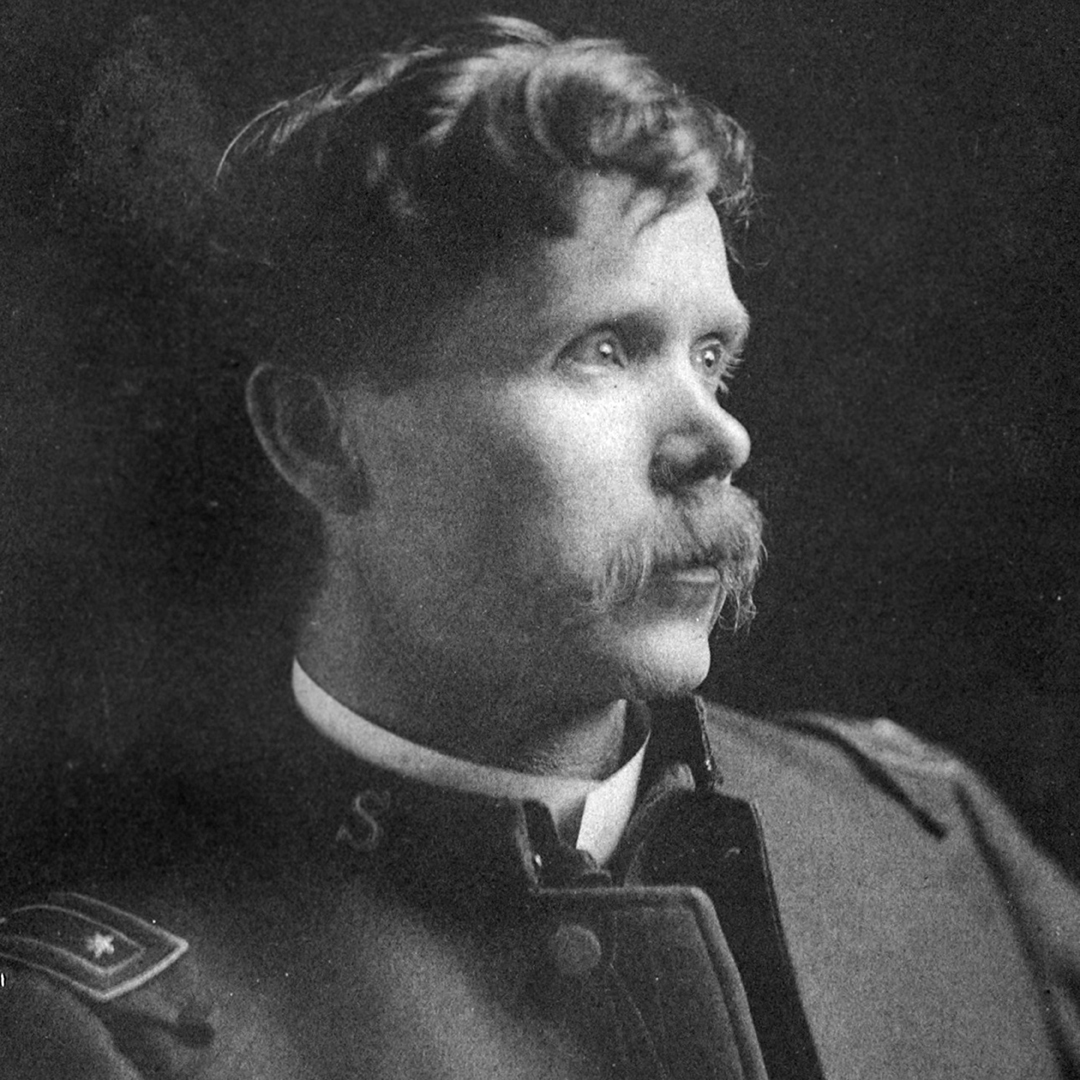
James Watson (1863–1925) | Photographer
James Watson was born in England. He emigrated to the United States in 1885 as a Salvation Army minister and settled in Los Angeles in 1901. He taught himself photography from a government manual published during the Civil War, which made him the first of ten Watson photographers. As a hobbyist working on glass-plate negatives, he photographed Buffalo Bill in Los Angeles in 1903, beachgoers at Santa Monica, and four-masted ships in San Pedro Harbor. In 1910 he photographed the bombed Los Angeles Times building. Three of his sons built careers in Hollywood. William H. Watson started as a film editor at Christie and went on to direct action scenes. George covered the Hollywood beat as a news photographer. Coy Sr. worked nearly every job the early movie business offered.
The Second Generation
Coy Watson Sr. (1890-1968) | Photographer Actor, Stunt Rider, Special Effects Artist
In 1911 Coy Watson Sr. and his wife, Golda, settled in Edendale, then a rustic suburb of Los Angeles. A year later Mack Sennett’s Keystone studio moved in two blocks away. Watson began renting his horses to the productions and often rode in costume himself. He went on to work as actor, stunt rider, prop man, and special effects man. By 1915 he was an assistant director for Sennett, and in the 1920s he ran casting at Fox Studios. His reputation for “making things fly” brought him effects work for Douglas Fairbanks on The Thief of Bagdad (1924), The Black Pirate (1926), and Around the World in 80 Minutes (1931). Golda played bit parts with her babies in her arms. All nine of their children worked in pictures: Coy Jr., Vivian, Gloria, Louise, Harry, Billy, Delmar, Garry, and Bobs. Coy Sr. let his daughters appear in family groups, in films such as Taxi 13 and Life Begins at Forty, but kept them out of the business after age 12 or 13. The boys worked steadily through the 1930s and ’40s, with their father acting as their agent. His own photographs are part of the family archive.
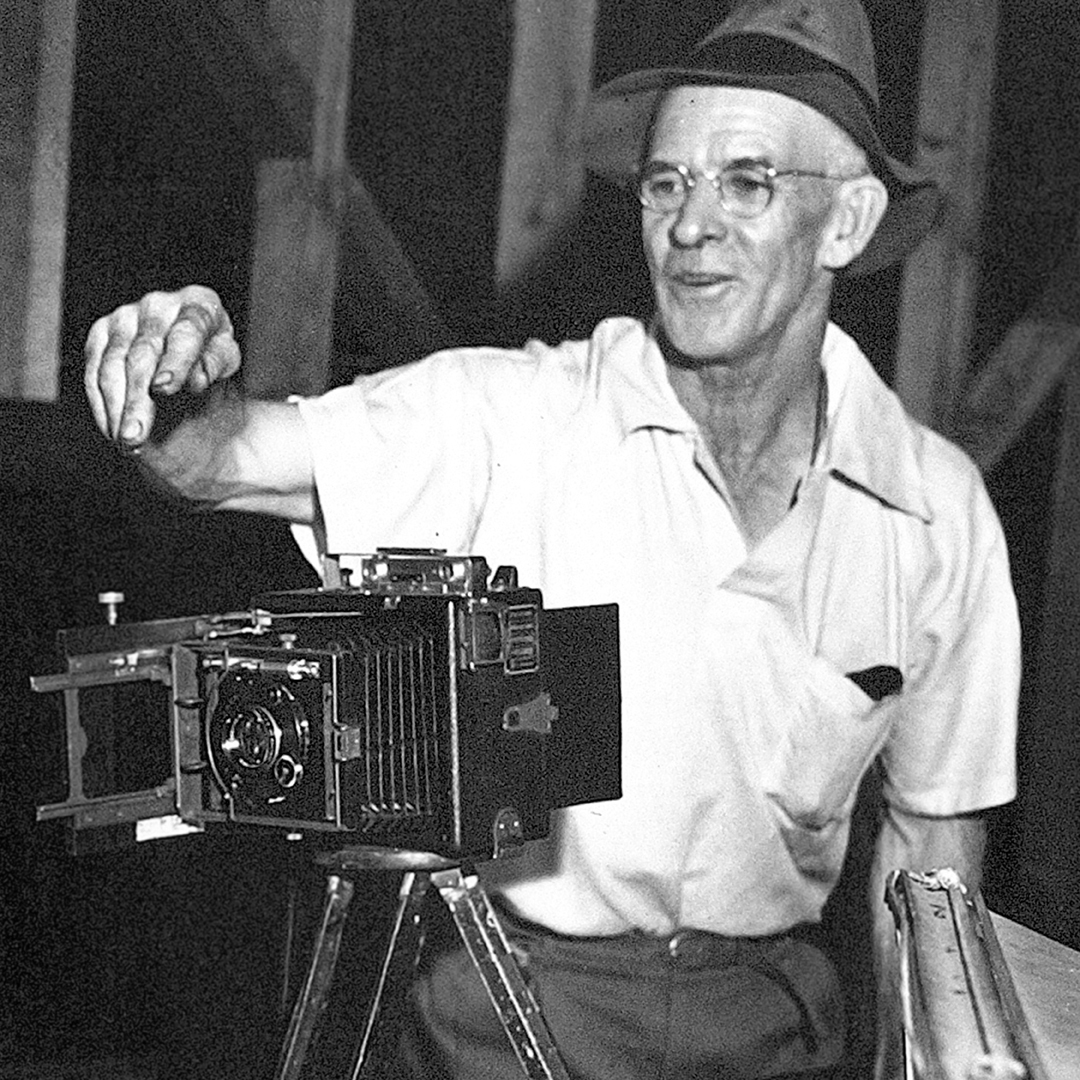
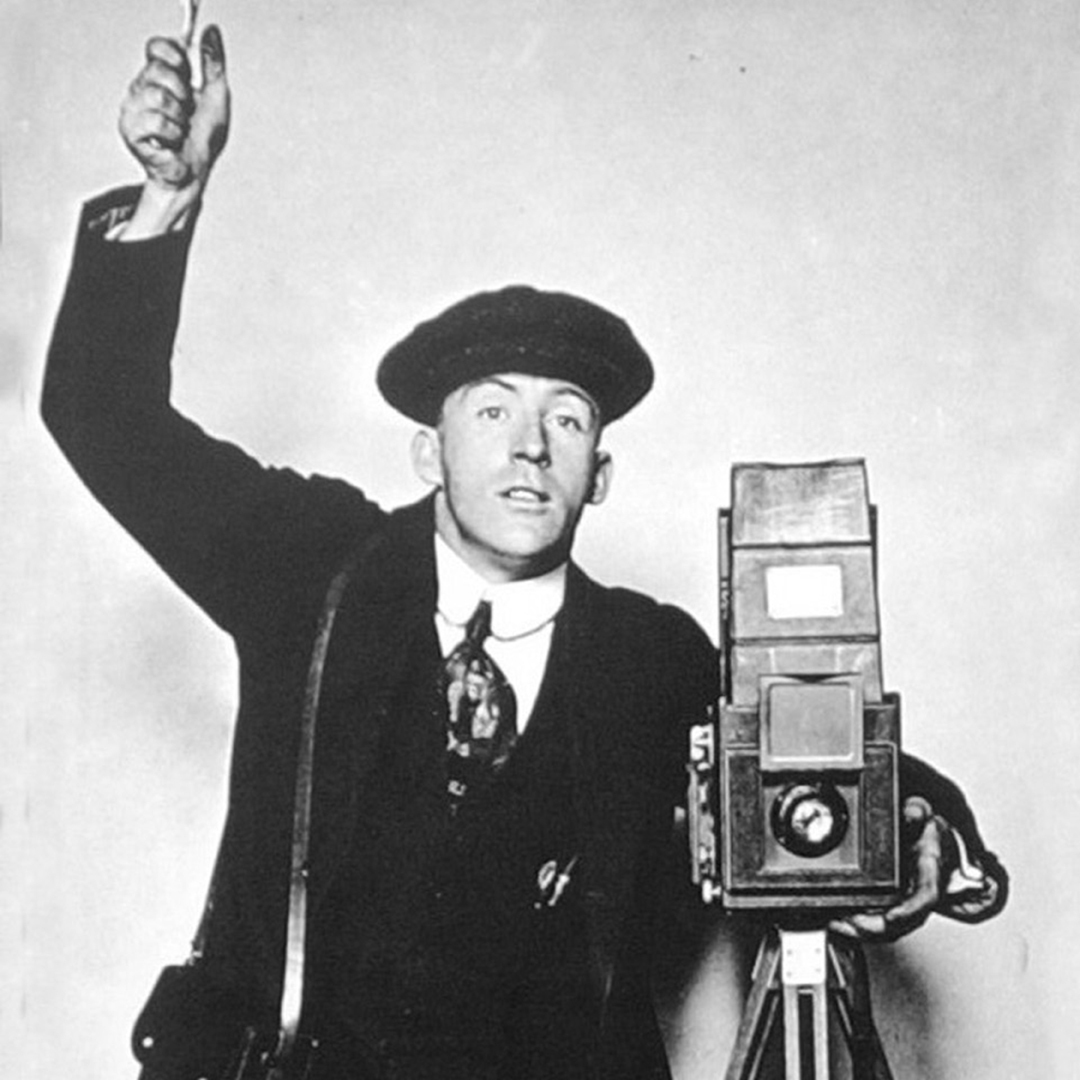
George R. Watson (1892–1977) | News Photographer, Inventor
George Watson got his first camera from his father at eight and built a darkroom out of a shipping crate. His first published news photographs ran in Oregon’s Grants Pass Courier, where he barely scraped by. He was also an inventor. In 1913 he patented a process that anticipated microfilm, then sold the rights when money ran short. In 1917 the Los Angeles Times hired him as its first full-time staff photographer. He is credited with the first published aerial news photographs of Los Angeles, made in 1919. Through the 1920s he covered the city’s biggest stories, including the first round-the-world flight in 1924 and the 1927 Marion Parker kidnapping. In 1929 he left the Times to run Pacific & Atlantic Photos, which became Acme News Pictures and later part of UPI. His staff covered the 1932 Olympics, transmitted the city’s first wirephoto, and recorded the era’s aviation milestones. Four of his nephews started their careers at Acme. Watson retired in 1940.
William H. Watson (1896–1967) | Film Director, Editor
William H. Watson was born in Montreal and was one of three sons of James Watson who built careers in Hollywood. He started as a film editor. By 1918 he was directing comedy shorts for Fox. He then directed for Universal from 1919 to 1921 and for Hal Roach from 1922 to 1924. In 1925 he joined Al Christie’s studio, where he directed many of comedian Billy Dooley’s films; a 1926 trade report credited him with most of Dooley’s Christie comedies from the previous season. His two-reelers from these years include Shore Shy and A Briny Boob (both 1926), Hold Still (1926) with Jimmie Adams, Easy Curves (1927), and The Dizzy Diver (1928), which he also scripted. Prints of all five survive. He kept working after the move to sound. In the mid-1930s he took assistant director jobs on shorts, and he directed Heroes in Blue (1939), a sixty-minute Monogram crime picture starring Dick Purcell. He also worked as a director on action scenes throughout his career.
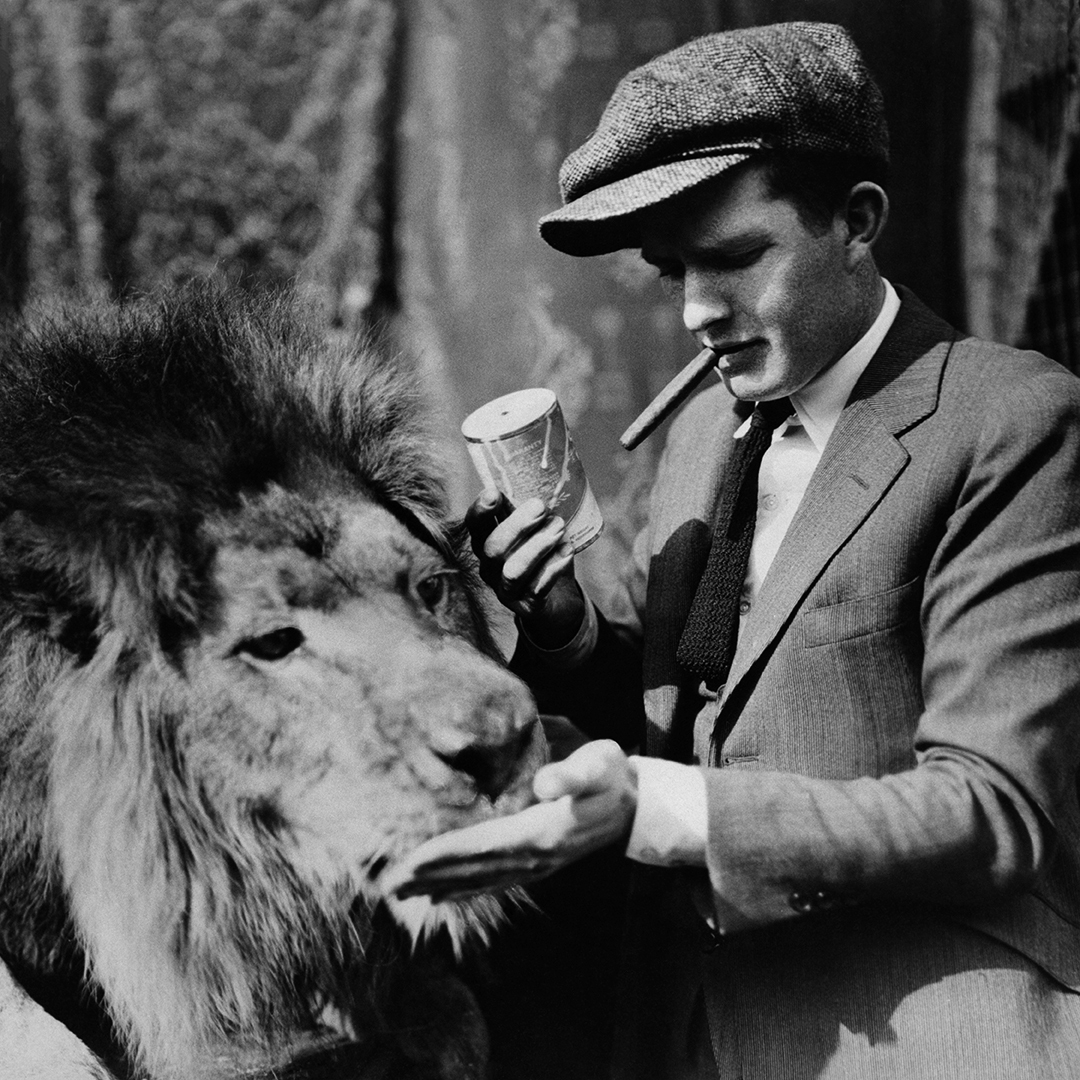
The Third Generation
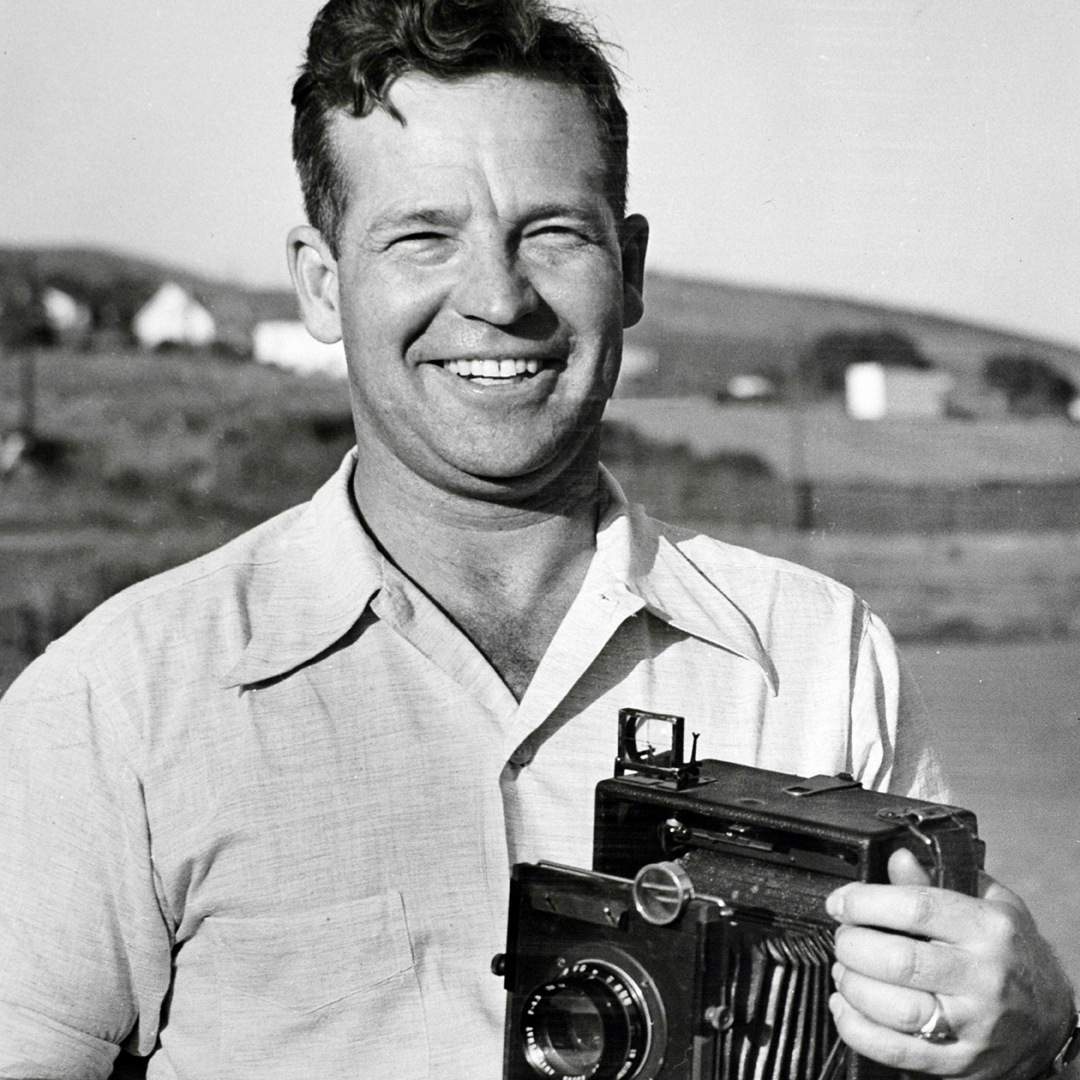
Coy Watson Jr. (1912–2009) | Actor, News Photographer, Inventor, Television Cameraman
Coy Watson Jr. made his first film, The Price of Silence (1913), for Selig Studios at nine months old. He worked so often in Sennett’s Keystone comedies that he was dubbed “The Keystone Kid.” He acted alongside Gloria Swanson, Mabel Normand, Roscoe “Fatty” Arbuckle, and the Keystone Kops. Sennett once blew up the Watsons’ front porch for a scene, then rebuilt it with a new kitchen and bedroom added. His last film was Puttin’ on the Ritz (1930). At four he had watched his grandfather James develop film in the family pantry. His uncle George later gave him a job sweeping floors at Pacific & Atlantic Photos. At 16 he published his first news picture, and P&A soon hired him as a photographer. Through the 1930s he shot for the Post-Record, the Los Angeles Herald, the Los Angeles Times, and Acme. His assignments included the death of Thelma Todd, Franklin D. Roosevelt’s 1932 visit to Los Angeles, and the 1932 Olympics. He invented a light-beam focuser, the first battery-powered focusing aid mounted on a camera. During World War II he headed a Coast Guard photography unit. After the war he opened a commercial studio and began shooting 16mm film for television. His Hollywood Reel (1949) was the first syndicated series made for television, featuring the stars of the day. He went on to television news at KTLA, CBS, ABC, and KCRA Sacramento. In 1997 the Press Photographers Association of Greater Los Angeles gave him its Lifetime Achievement Award. In 2001 he published a memoir, The Keystone Kid: Tales of Early Hollywood. He died in 2009 in Alpine, near San Diego, at 96.
Harry Watson (1921–2001) | Actor, Combat Photographer, Newsreel Cameraman
Harry Watson played W.C. Fields’ son Ronald in The Barber Shop (1933) and worked with Wallace Beery in Old Hutch (1936). He appeared with Fred Astaire and Joan Fontaine in George Stevens’ A Damsel in Distress (1937). He rode Shirley Temple on his handlebars in Little Miss Broadway (1938) and acted with Mickey Rooney in The Adventures of Huckleberry Finn (1939). His first job in photography was at Acme News Pictures. In World War II he joined his brother Coy as a Coast Guard photographer. He worked in the Washington, D.C., photo lab and aboard submarine chasers in the Caribbean before shipping out to the South Pacific as a combat photographer. There he photographed three major landings and General Douglas MacArthur’s 1944 return to Leyte in the Philippines. After the war he did commercial work with Coy, then joined the Los Angeles Daily News in the 1950s. When the paper folded, he became a newsreel cameraman for KTTV through the 1960s and ’70s. He then ran his own commercial business until retiring in the 1980s.
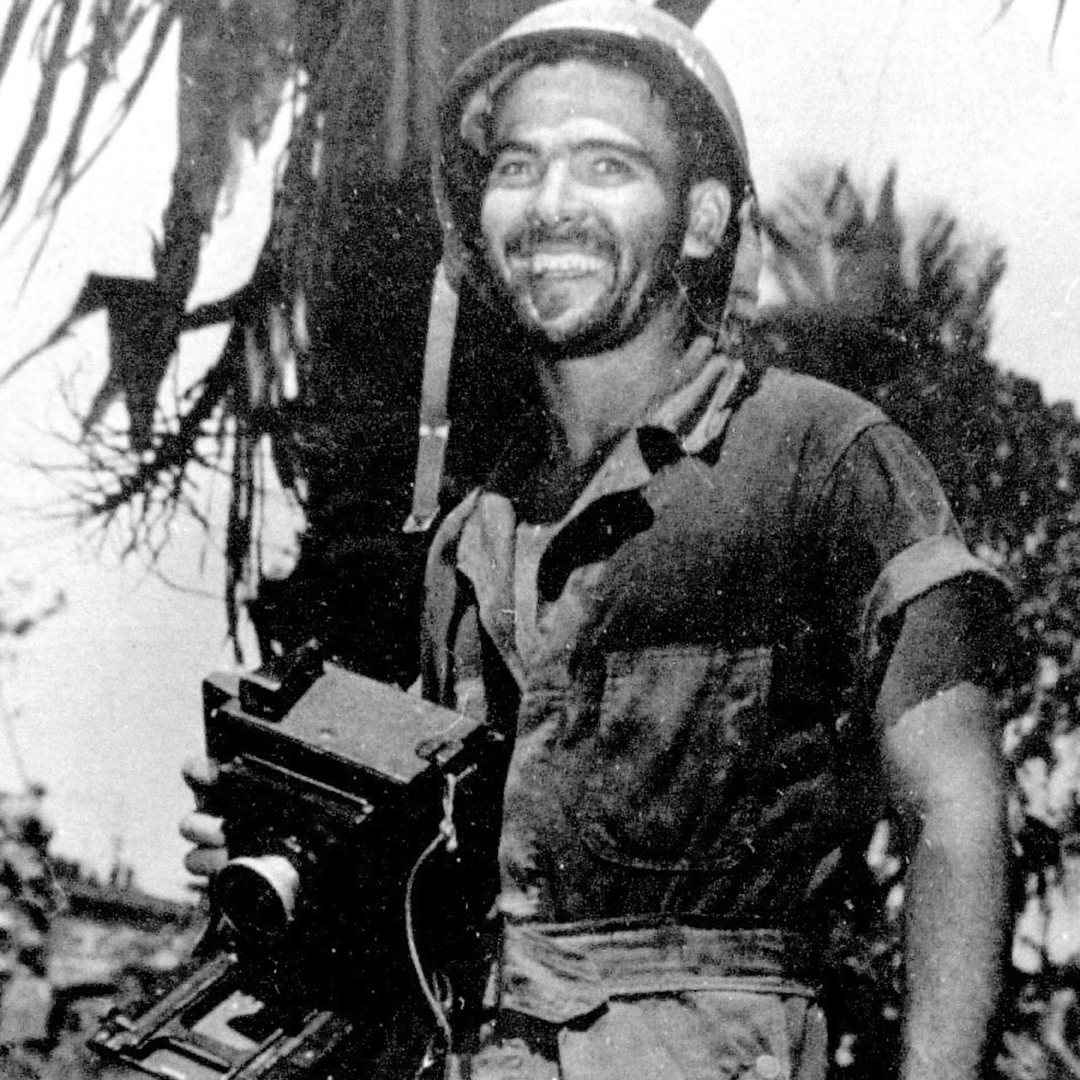
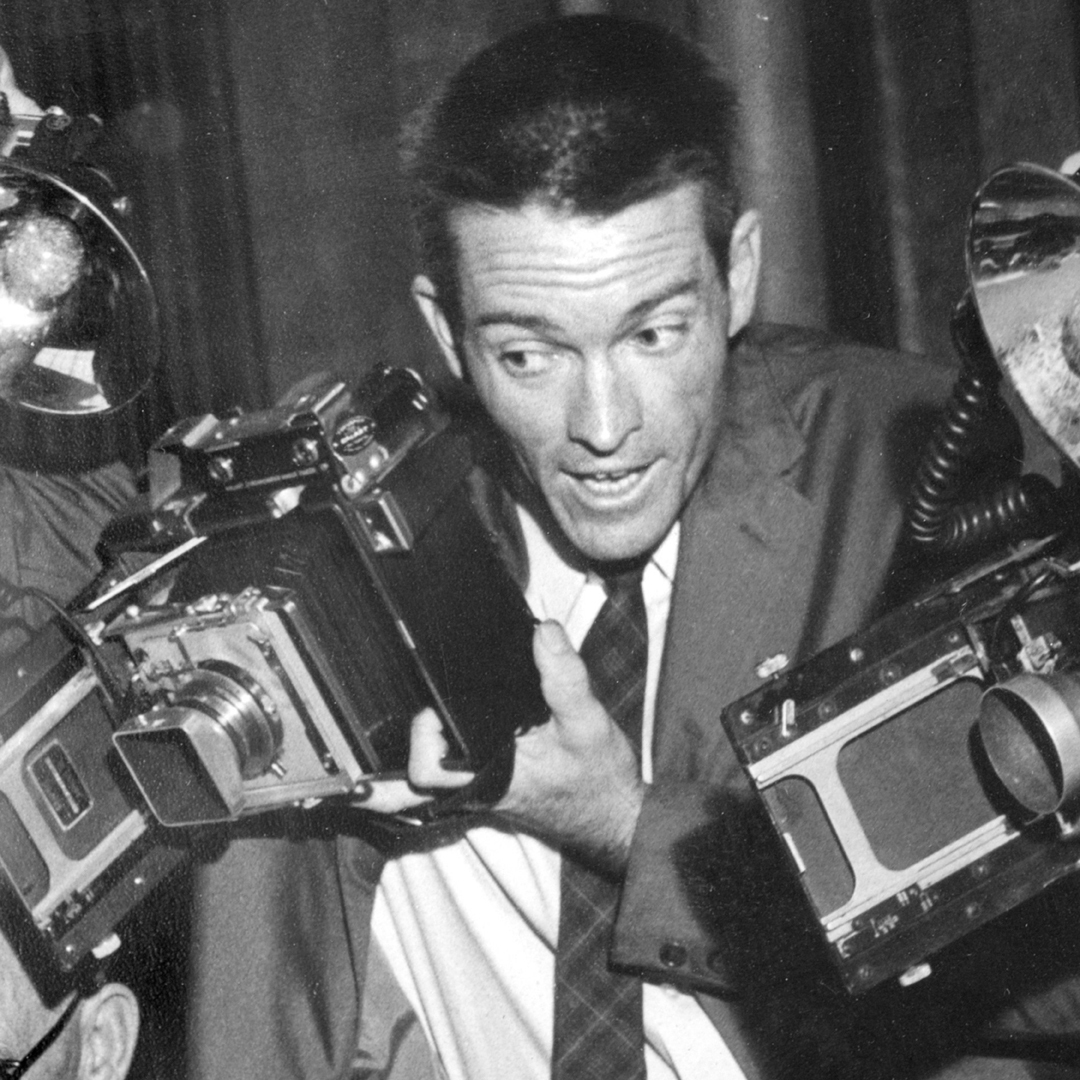
Bill (Billy) Watson (1923–2022) | Actor, Coast Guard Photographer, Commercial Photographer
In 1934 Billy Watson played Micah Dow, son of Alan Hale’s character, in The Little Minister, starring Katharine Hepburn. He worked twice for John Ford, in The Plough and the Stars (1936) and in Young Mr. Lincoln (1939) with Henry Fonda. He also played Bobby MacDonald in Kidnapped (1938). During World War II he joined his brother Coy at Long Beach Naval Station as a Coast Guard photographer. After the war he worked as an artist at the Los Angeles Daily News, then as one of the Six Watson Brothers in the family’s commercial studio. He worked commercially on his own from the 1970s into the 1990s. He also acted in local theater and took character parts in television, including Hill Street Blues and General Hospital. He later moved to Washington State and died in Spokane in 2022, at 98.
Delmar Watson (1926–2008) | Actor, News Photographer, Archive Founder
Delmar Watson started in movies at six months old. He appeared in westerns with Tom Mix and George O’Brien and in Hal Roach’s Our Gang comedies. He played Tad Stanley opposite Randolph Scott and Shirley Temple in To the Last Man (1933), and Peter in Temple’s Heidi (1937). In You Can’t Cheat an Honest Man (1939) he used a slingshot to shoot a glass ball out of W.C. Fields’ hand. He learned photography from his father and brothers and worked at Acme News Pictures before the war. He entered the Coast Guard on his 18th birthday and six months later joined Coy’s photography unit at Long Beach. After his discharge he worked in his brothers’ commercial studio. In 1948 the Los Angeles Mirror hired him as a staff photographer, and he stayed ten years, through its merger into the Mirror-News. He then returned to the Six Watson Brothers studio. In 1967 he opened his own studio and founded the archive that became the Watson Family Photographic Archive. He edited and published five books, among them Quick, Watson, the Camera and Goin’ Hollywood 1887–1987. He kept the archive at his Hollywood office until moving it to Glendale in 2007. He died at his Glendale home the following year, at 82.
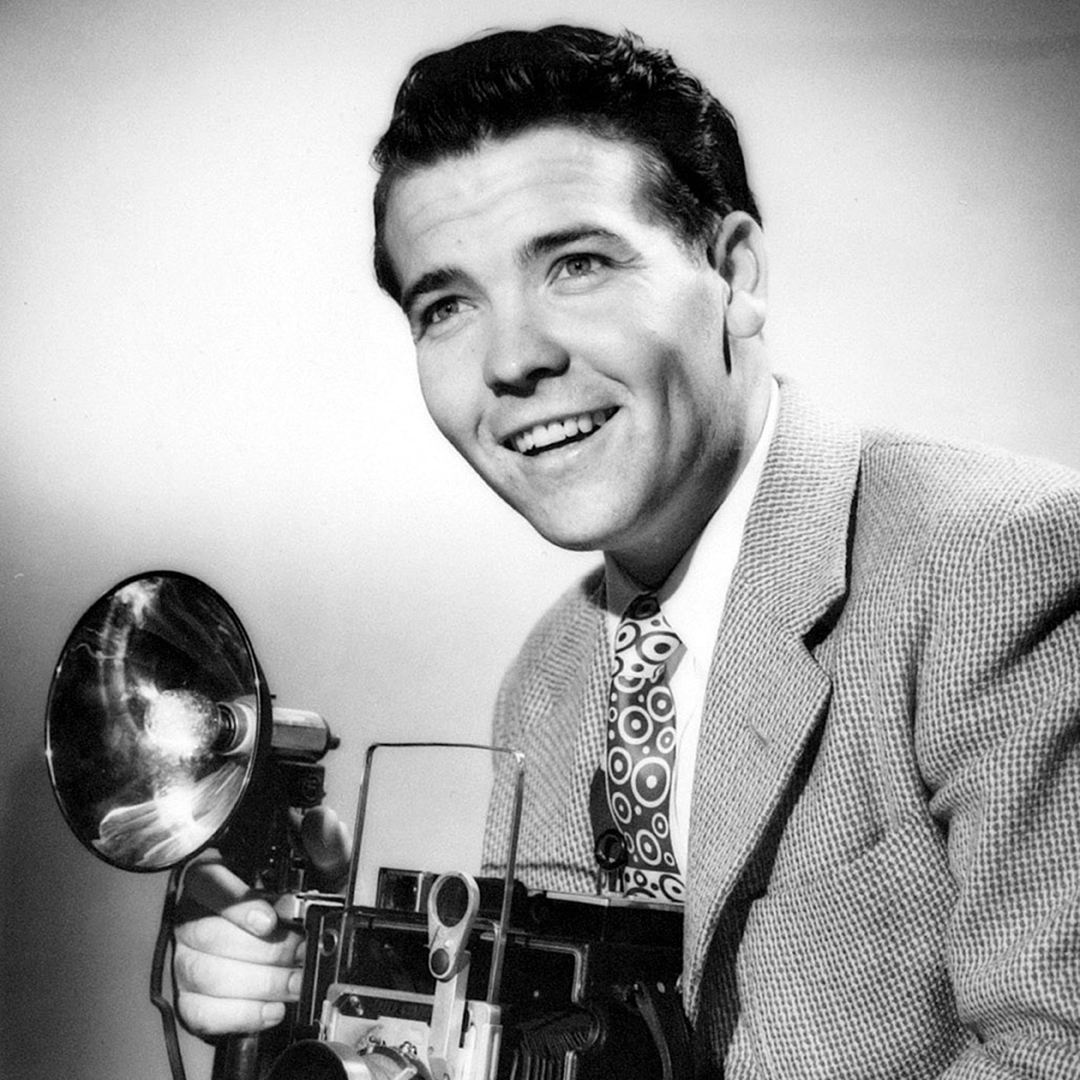
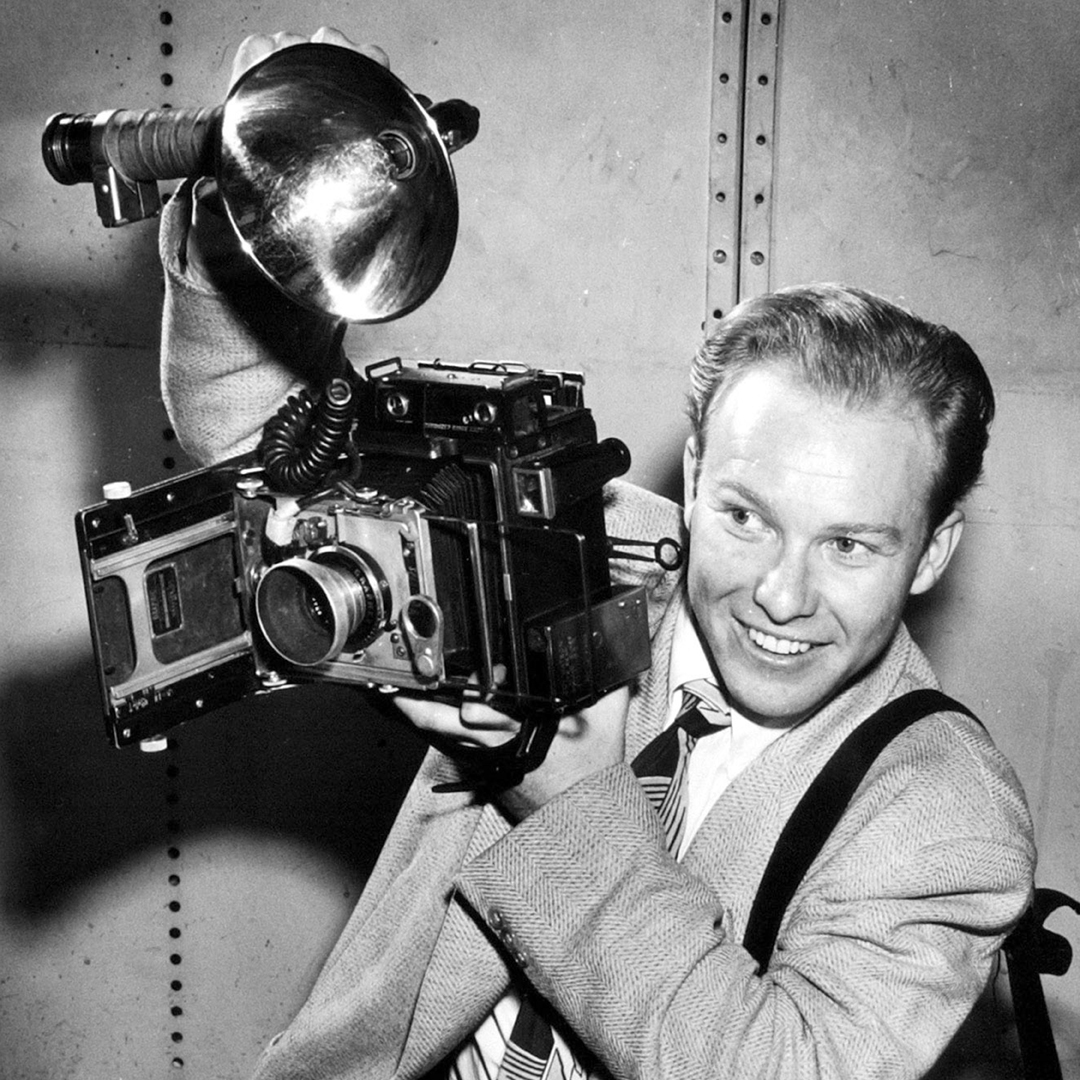
Garry Watson (b. 1928) | Actor, Singer, News Photographer, Commercial Photographer
Garry Watson made his film debut at age one in Frank Lloyd’s Drag (1929). With his brothers Delmar and Billy he appeared in Wild Girl (1932) with Joan Bennett. He was one of six Watson family members in Life Begins at Forty (1935) with Will Rogers. At 11 he joined Delmar, Harry, and Billy in Mr. Smith Goes to Washington (1939), starring James Stewart. He also appeared with Douglas Fairbanks Jr. in The Exile (1947). In the 1950s he sang on his own ABC radio show and became known as “the singing photographer.”
He learned photography from his father and brothers and earned his first dollars as his high school’s official photographer. His first job in the field came in 1948, running the wirephoto machine at Acme News Pictures. One of his early assignments there was test pilot Chuck Yeager, who had just broken the sound barrier. He moved to the Los Angeles Daily News, then in 1954 to the Los Angeles Times. In 1957 he left newspapers for the Six Watson Brothers studio. After twenty years of commercial work he joined the Valley News and Green Sheet in 1977, later the Daily News of Los Angeles, and retired in 1986.
Bobs Watson ([1930 or 1931]–1999) | Actor, Photographer, Methodist Minister
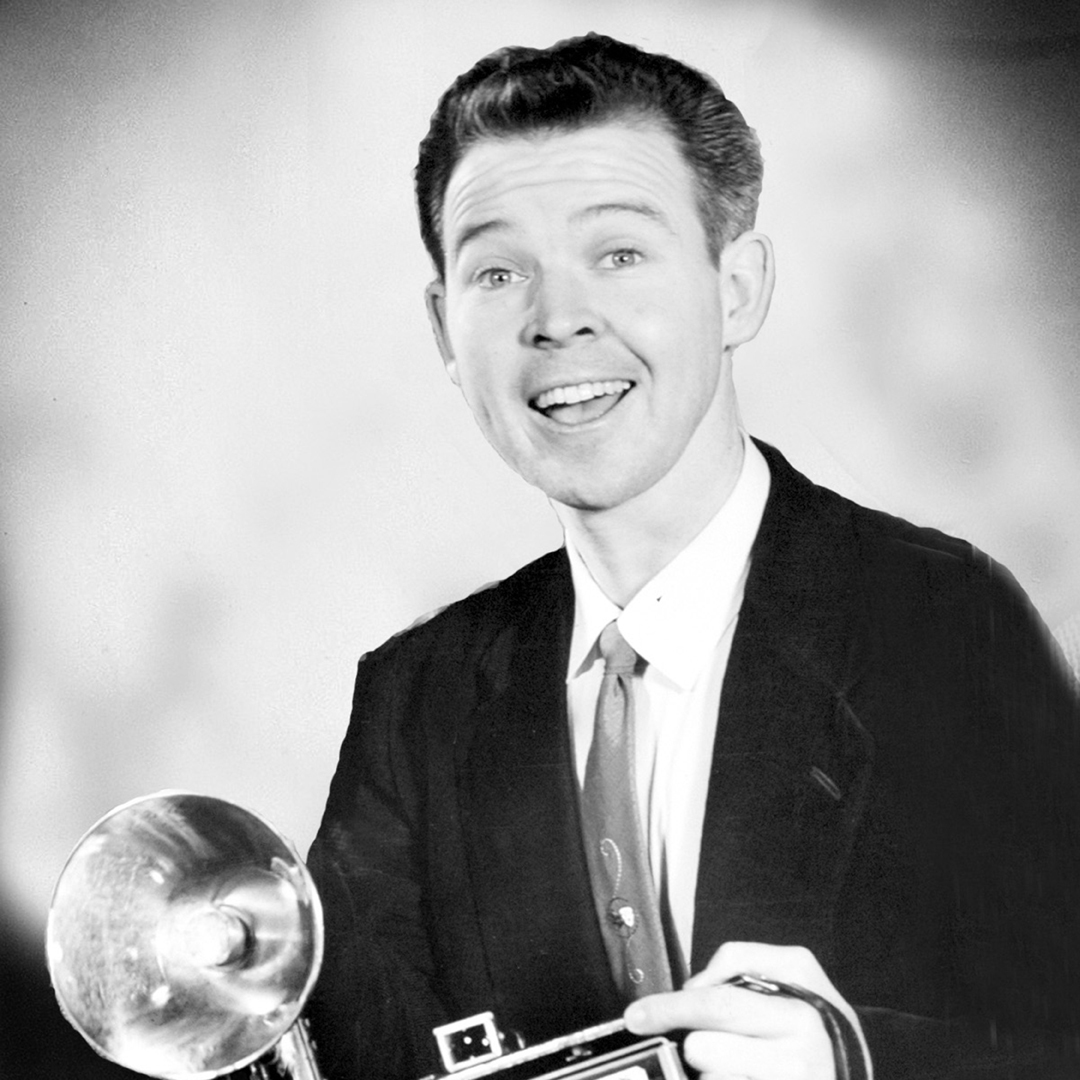
Bobs Watson, known as “The Crybaby of Hollywood,” played Pee Wee in Boys Town (1938) and Men of Boys Town (1941), with Spencer Tracy and Mickey Rooney. In 1939 alone he played Pud in On Borrowed Time with Lionel Barrymore and Harry Cole in Dodge City with Errol Flynn. That same year he played George Sanders in The Story of Alexander Graham Bell, starring Don Ameche and Henry Fonda. He was drafted during the Korean War. Through the 1950s and ’60s he kept acting in television, in Bonanza, The Twilight Zone, The Beverly Hillbillies, and Green Acres. Between acting jobs he worked in his brothers’ commercial photography business. In 1959 he photographed a young Burt Reynolds doing stunts on horseback, on motorcycles, and in cars to build Reynolds’ acting portfolio. Watson became a Methodist minister and used films and photographs in his sermons. He still took occasional roles, including First to Fight (1967) with Chad Everett and episodes of Lou Grant and M*A*S*H. His last feature credit was as a minister in Ron Howard’s Grand Theft Auto (1977).
The Fourth Generation
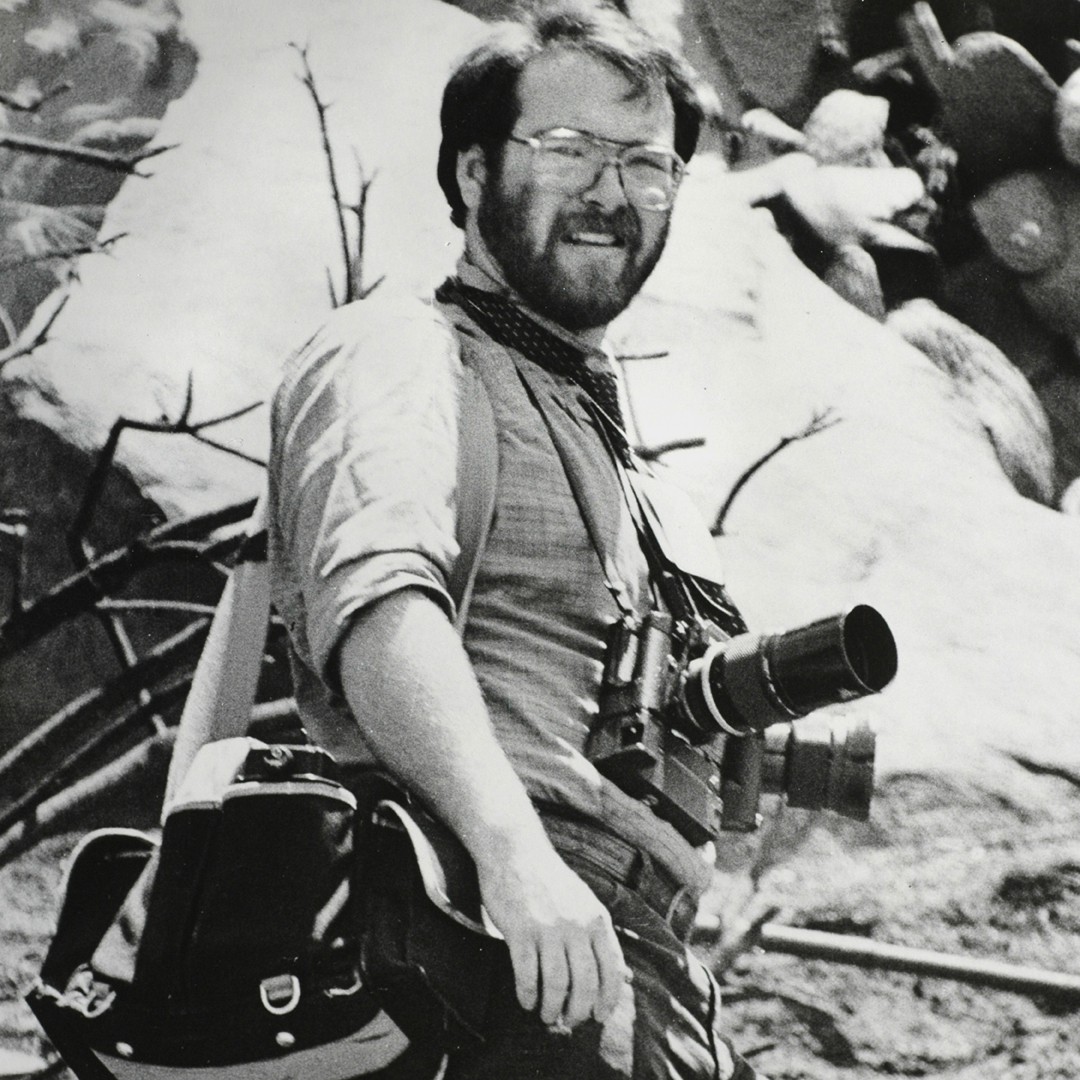
Daniel W. Watson (b. 1957) | Photojournalist
Dan Watson is the fourth generation of his family to work as a photographer and the tenth Watson in the trade. He learned from his father, Garry. During school summers he spent time at his father’s and uncles’ commercial studios, hearing stories from the family’s newspaper years. At John Burroughs High School in Burbank he was the school’s most-published photographer. In 1976 he rented a small office from his uncle Harry and started his own business. He also worked as a contract track photographer at Hollywood Park and Santa Anita. In 1977 he joined the staff of the Valley News and Green Sheet. In the early 1980s he shot for the Burbank Leader, the Glendale News-Press, and CBS Photo. In 1984 he began 18 years of freelance work for ABC-TV, covering episodic television including Roseanne and Home Improvement. From 1994 to 1996 he was staff photographer for the Natural History Museum of Los Angeles County. He served three tours at The Signal in Santa Clarita, in 1998–2003, 2009–2017, and 2018–2024, as chief photojournalist and photo editor. Between stints he worked for the Los Angeles Times’ community papers in Glendale, freelanced for the Daily News, and co-managed the family photography archive. He retired in June 2024. The Santa Clarita City Council honored him with a proclamation, and he received the Ruth Newhall Lifetime Achievement Award. He lives in Castaic.